

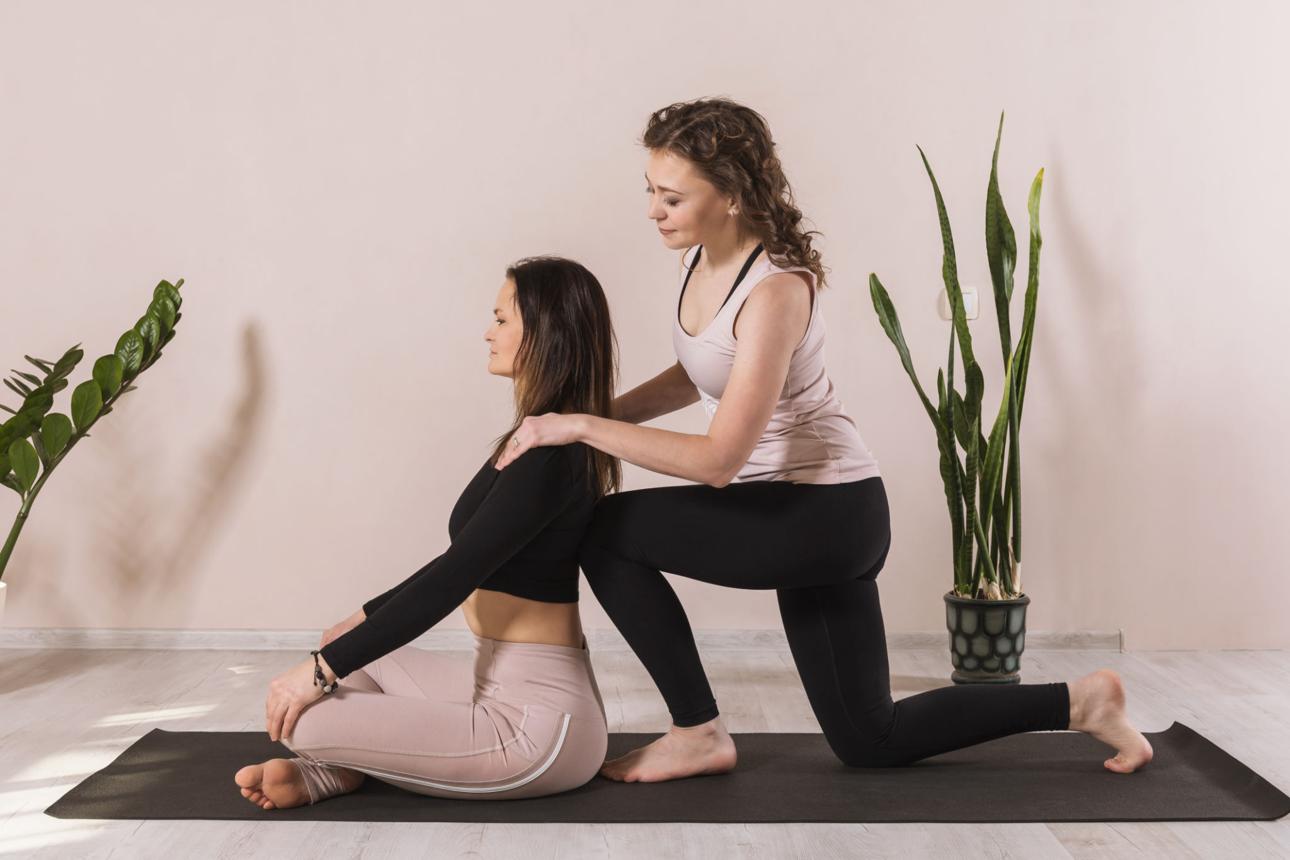
The spine plays a central role in overall movement, posture, balance, and physical stability. Modern lifestyles, however, often place excessive stress on spinal health. Long hours of sitting, poor posture, limited movement, stress, and muscle imbalances can gradually affect natural spinal alignment. Over time, these habits may contribute to stiffness, discomfort, reduced mobility, and muscular tension.
Yoga offers a natural approach to supporting spinal alignment through controlled movement, flexibility, strength development, posture awareness, and mindful breathing. Unlike high-impact exercise routines, yoga focuses on balanced movement patterns that help stabilize and support the body without excessive strain.
Consistent yoga practice may help improve posture, strengthen core muscles, release tension, and promote better spinal mobility. While yoga is not a replacement for medical treatment when serious spinal conditions exist, it can serve as an effective long-term strategy for supporting spinal health naturally.
Understanding the Importance of Spinal Alignment
The spine is designed to maintain natural curves that help distribute body weight and absorb movement-related stress. Healthy alignment allows the muscles, joints, and nervous system to function more efficiently.
When spinal alignment becomes compromised, the body often compensates in unhealthy ways. This may lead to:
- Neck tension
- Rounded shoulders
- Lower back discomfort
- Reduced flexibility
- Muscle fatigue
- Poor balance
- Limited mobility
Spinal misalignment may develop gradually due to repetitive habits such as slouching, prolonged screen use, or improper lifting techniques.
Yoga helps increase awareness of posture while encouraging balanced muscle engagement throughout the body.
How Yoga Supports Spinal Health
Yoga combines stretching, strengthening, breathing, and mindfulness. These elements work together to support healthy movement patterns and spinal stability.
Improved Postural Awareness
Many yoga poses encourage awareness of body positioning. This increased awareness may help people recognize poor posture habits during daily activities.
Increased Flexibility
Tight muscles surrounding the spine can restrict movement and contribute to imbalance. Yoga gently improves flexibility in areas such as:
- Hamstrings
- Hip flexors
- Chest muscles
- Shoulders
- Lower back
Improved flexibility may reduce unnecessary tension placed on the spine.
Better Core Strength
The core muscles help stabilize and protect the spine. Weak core muscles often contribute to poor posture and lower back strain.
Yoga strengthens the:
- Abdominal muscles
- Pelvic muscles
- Lower back muscles
- Obliques
A stronger core provides better support for spinal alignment.
Stress Reduction
Stress frequently causes muscular tension, especially in the neck, shoulders, and back. Yoga breathing techniques and mindful movement may help reduce stress-related tightness.
Mountain Pose for Postural Alignment
Mountain Pose is one of the most foundational yoga postures for improving body awareness and alignment.
How to Practice Mountain Pose
- Stand with feet hip-width apart
- Distribute weight evenly through both feet
- Lengthen the spine upward
- Relax the shoulders downward
- Engage the core gently
- Keep the chin neutral
Benefits of Mountain Pose
- Improves posture awareness
- Encourages spinal elongation
- Strengthens stabilizing muscles
- Promotes balanced body alignment
Although simple, this pose teaches proper standing mechanics that support spinal health.
Cat-Cow Stretch for Spinal Mobility
The Cat-Cow sequence is widely used to improve spinal flexibility and mobility.
How to Perform Cat-Cow
- Begin on hands and knees
- Inhale while arching the back gently
- Lift the chest and tailbone
- Exhale while rounding the spine
- Tuck the chin toward the chest
- Repeat slowly with the breath
Benefits of Cat-Cow Stretch
- Improves spinal mobility
- Releases back tension
- Encourages healthy movement patterns
- Supports posture correction
This movement also helps warm up the spine before more advanced poses.
Child’s Pose for Gentle Spinal Release
Child’s Pose provides a gentle stretch for the lower back and spine while encouraging relaxation.
How to Practice Child’s Pose
- Kneel on the floor
- Sit back toward the heels
- Extend the arms forward
- Lower the chest toward the floor
- Relax the neck and shoulders
Benefits of Child’s Pose
- Relieves lower back tension
- Promotes relaxation
- Gently lengthens the spine
- Encourages deeper breathing
This pose is especially beneficial after long periods of sitting or standing.
Cobra Pose for Chest Opening and Posture
Many people develop rounded shoulders and forward head posture due to desk work and screen use. Cobra Pose helps counteract these patterns.
How to Practice Cobra Pose
- Lie face down
- Place hands beneath the shoulders
- Press gently into the hands
- Lift the chest while keeping elbows slightly bent
- Keep the shoulders relaxed
Benefits of Cobra Pose
- Strengthens back muscles
- Opens the chest
- Improves spinal extension
- Encourages upright posture
Avoid forcing the lower back into excessive bending.
Downward-Facing Dog for Spinal Lengthening
Downward-Facing Dog stretches multiple muscle groups while decompressing the spine.
Benefits of Downward-Facing Dog
- Lengthens the spine
- Stretches hamstrings and calves
- Strengthens shoulders and core
- Reduces stiffness
This pose also encourages balanced weight distribution throughout the body.
Bridge Pose for Core and Back Support
Bridge Pose strengthens the posterior chain, including the glutes and lower back muscles that support spinal stability.
How to Practice Bridge Pose
- Lie on the back with knees bent
- Place feet flat on the floor
- Press through the feet
- Lift the hips upward
- Engage the core and glutes
Benefits of Bridge Pose
- Strengthens lower back muscles
- Improves hip mobility
- Supports spinal stability
- Opens the chest and shoulders
Consistent practice may help improve posture and reduce muscular imbalances.
Twisting Poses for Spinal Mobility
Gentle spinal twists encourage rotational mobility and help release muscular tension.
Benefits of Gentle Twists
- Improve spinal flexibility
- Reduce stiffness
- Encourage circulation
- Relieve tension in the back muscles
Twists should always be performed slowly and without forcing the body beyond a comfortable range.
The Role of Breathing in Spinal Support
Breathing patterns influence posture and muscle tension more than many people realize.
Shallow breathing often contributes to tension in the shoulders, chest, and neck. Yoga breathing techniques encourage fuller diaphragmatic breathing, which supports relaxation and spinal stability.
Benefits of Mindful Breathing
- Reduces muscular tension
- Supports core engagement
- Improves body awareness
- Encourages relaxation
Coordinating movement with breath also helps create smoother and safer movement patterns during yoga practice.
Consistency Matters More Than Intensity
Long-term spinal support develops gradually through regular practice rather than aggressive stretching.
Short daily yoga sessions often provide better results than occasional intense workouts.
Tips for Consistent Practice
- Practice for 10 to 20 minutes daily
- Focus on proper alignment
- Move slowly and mindfully
- Avoid comparing flexibility with others
- Use props if needed for support
Gentle consistency helps the body adapt safely over time.
Lifestyle Habits That Affect Spinal Alignment
Yoga works best when combined with healthy daily movement habits.
Improve Sitting Posture
Extended sitting places stress on the spine. Proper posture helps reduce strain.
Helpful sitting habits include:
- Keeping feet flat on the floor
- Maintaining relaxed shoulders
- Positioning screens at eye level
- Taking movement breaks regularly
Strengthen Supporting Muscles
Walking, swimming, and low-impact strength training may complement yoga and support overall spinal health.
Sleep Position Matters
Poor sleeping posture may contribute to spinal discomfort. Supportive mattresses and proper pillow positioning help maintain neutral alignment during sleep.
Common Mistakes to Avoid in Yoga Practice
Some habits may reduce the benefits of yoga or increase the risk of discomfort.
Forcing Flexibility
Pushing too deeply into poses can strain muscles and joints.
Ignoring Pain Signals
Mild stretching sensations are normal, but sharp pain should never be ignored.
Holding Tension During Practice
Many people unknowingly tighten the jaw, shoulders, or neck while practicing yoga.
Neglecting Breathing
Breath awareness is essential for safe and effective movement.
When Professional Guidance Is Important
People with existing spinal injuries, chronic pain, scoliosis, herniated discs, or other medical conditions should consult healthcare professionals before beginning a new yoga routine.
Working with experienced yoga instructors may also help ensure safe alignment and pose modifications.
Personalized guidance is especially helpful for beginners or individuals recovering from injury.
Long-Term Benefits of Yoga for Spinal Alignment
Regular yoga practice may contribute to healthier posture, improved flexibility, reduced muscular tension, and better movement awareness. Over time, these improvements can support natural spinal alignment and overall physical function.
The benefits of yoga extend beyond physical posture alone. Many people also experience improved stress management, increased mindfulness, and greater body awareness through consistent practice.
Supporting spinal health naturally requires patience, consistency, and balanced movement habits. Yoga provides a gentle yet effective way to strengthen the body while encouraging healthier alignment patterns for long-term well-being.


FAQ
Can yoga improve posture naturally?
Yes. Consistent yoga practice may strengthen postural muscles, improve flexibility, and increase awareness of body alignment.
How often should yoga be practiced for spinal support?
Many people benefit from practicing yoga several times per week. Even short daily sessions may support long-term spinal health.
Is yoga safe for people with lower back discomfort?
Gentle yoga may help some individuals with lower back tension, but people with chronic pain or medical conditions should seek professional guidance before starting.
Which yoga poses are best for spinal mobility?
Cat-Cow Stretch, Child’s Pose, Downward-Facing Dog, and gentle twists are commonly used to improve spinal flexibility and movement.
Can yoga replace medical treatment for spinal conditions?
Yoga may support spinal health, but it should not replace medical care for serious injuries or spinal disorders.
Does breathing affect posture during yoga?
Yes. Controlled breathing helps reduce muscle tension, improve core engagement, and support better posture during movement.
Can beginners practice yoga safely at home?
Beginners can practice safely at home by starting with simple poses, moving slowly, and focusing on proper alignment rather than advanced flexibility.