

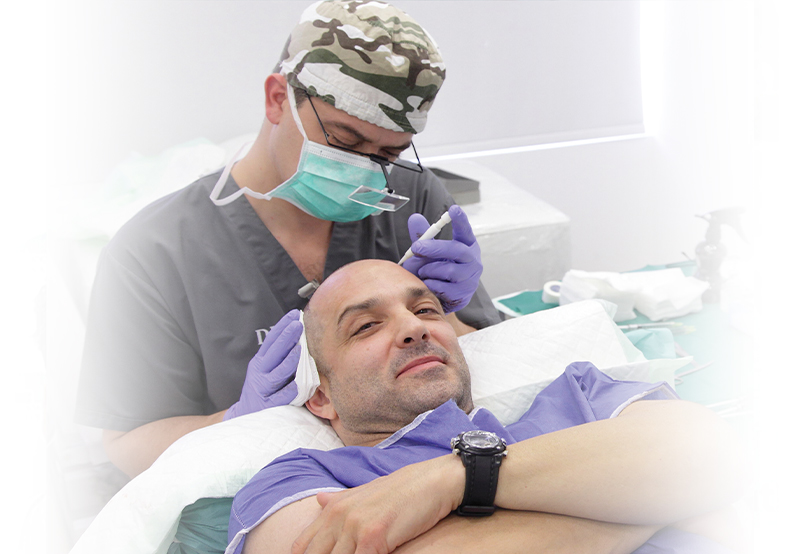
For many people researching a DHI hair clinic in Thailand, the decision is about far more than the procedure name itself. Patients are often trying to find a clinic that combines precise treatment planning, natural-looking results, and a setting where the whole experience feels private and well managed. Thailand has become a serious option for hair restoration because it offers a strong mix of medical infrastructure, travel convenience, and patient comfort, all of which matter when someone is making a decision that affects both appearance and confidence.
Thailand Makes Treatment Easier To Organise
One of the main reasons patients look at Thailand for hair restoration is practicality. The country is well connected, easy to access from many parts of Asia and beyond, and already widely recognised for private medical care. That creates a level of reassurance before the consultation has even begun.
Hair transplantation is not only about the hours spent in the treatment chair. Patients also need to think about where they will stay, how they will recover, and whether the overall experience will feel smooth or stressful. Thailand works well because those pieces are easier to arrange. Major cities offer strong healthcare access, comfortable accommodation, and enough privacy for patients who do not want the process to feel public.
This can make a real difference for both local and international patients. Someone travelling in for treatment may want a short, discreet recovery period before returning home. Someone already based in Thailand may simply want access to specialist care without the complexity of going abroad. In both cases, the setting helps support the treatment journey rather than adding extra friction to it.
DHI Appeals To Patients Who Care About Detail
When patients ask about DHI, they are often responding to the idea of precision. Hair restoration is not just about moving grafts from one area to another. It is about how those grafts are placed, how the direction of the hair is recreated, and whether the final result looks natural in real life rather than only in close-up photographs.
That is why DHI attracts attention. Patients tend to associate it with careful implantation and refined work in visible areas such as the hairline or frontal zones. Whether that approach is right for a particular patient depends on clinical judgement, but the appeal makes sense. Most people want a result that blends naturally into their existing hair pattern and does not look overly artificial or sharply designed.
This is especially important for patients who are thinking long term. They are not only trying to fix a thinning patch today. They want a result that will still look sensible as they age, style their hair differently, or continue to experience gradual loss in other areas.
The Best Clinics Think Beyond The Technique Name
A common mistake in hair restoration research is assuming that the method alone determines quality. In reality, the strongest results come from clinics that know how to assess the individual properly. Technique matters, but planning matters more.
A good clinic should evaluate donor strength, hair texture, scalp condition, the pattern of loss, and the patient’s future risk of continued thinning. It should also discuss what sort of outcome is realistic and how the treatment fits into a long-term plan. This is what separates a serious clinic from one that relies mainly on popular terminology.
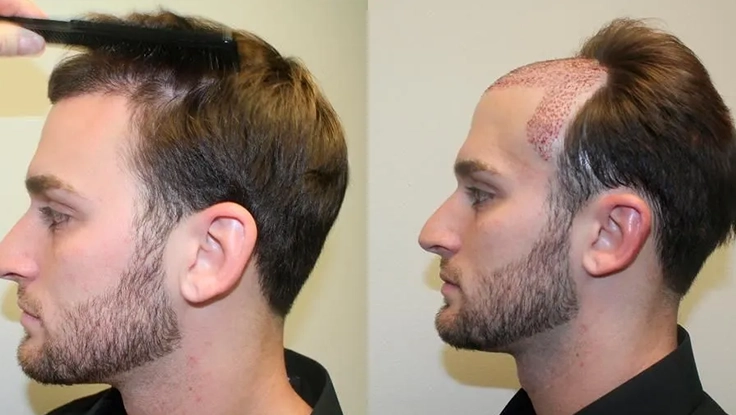
Patients should pay attention to how recommendations are made. Does the clinic explain why a method suits the case, or does it simply repeat that DHI is advanced and precise? A trustworthy team will give reasons, set expectations properly, and sometimes advise restraint. That is usually a very good sign. Hair transplantation should be planned with care, not sold like a cosmetic trend.
Privacy And Recovery Matter More Than Many People Expect
For a lot of patients, the biggest hesitation is not the treatment itself. It is the recovery period. They worry about returning to work, seeing friends, travelling, or simply feeling self-conscious during the early stages after treatment. This is one reason Thailand can feel like a strong option.
The country’s medical tourism environment makes it easier to recover discreetly and comfortably. Patients can plan a short stay, focus on the immediate healing phase, and manage the process without feeling exposed. That can be especially valuable for people in public-facing jobs or those who simply prefer to keep cosmetic treatment private.
A good clinic should understand this concern. It should explain not only the procedure, but also what the first few days will feel like, what patients can realistically expect to look like, and how to manage the recovery period well. These practical details are often what make people feel ready to go ahead.
Choosing Well Still Comes Down To Trust
Thailand may be an attractive place to begin the search, but the final decision still comes down to confidence in the clinic itself. Patients need to feel that they are being assessed properly, not rushed. They need a plan that makes sense for their own hair rather than a standard answer. They also need to believe that the clinic values natural, long-term results more than quick marketing wins.
That is what turns a good destination into the right choice. A strong DHI clinic should combine technical skill, careful planning, honest advice, and a patient experience that feels calm from the first consultation onwards. When those elements are in place, Thailand becomes more than a convenient option. It becomes a setting where patients can pursue hair restoration with much greater confidence in both the process and the result.