

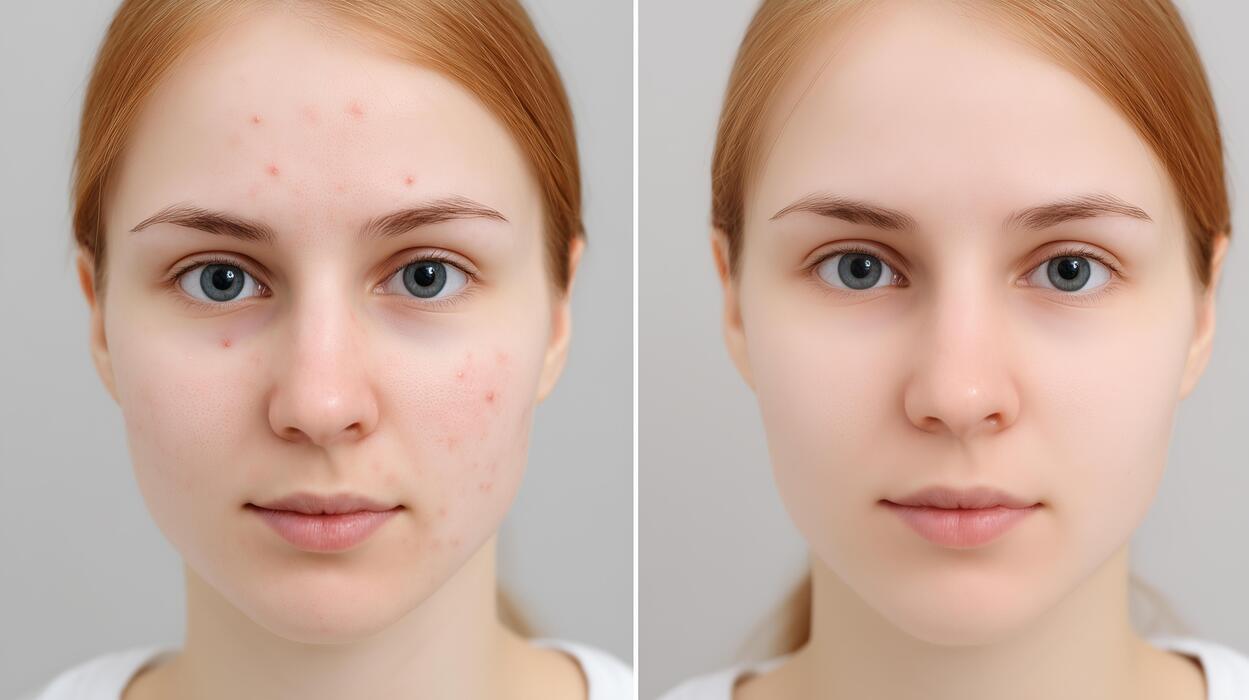
Skin treatments are often judged by photographs, but real results are rarely as simple as one dramatic before-and-after image. Anyone looking at skin booster before and after examples should view them as a useful guide rather than a guarantee, because outcomes depend on skin condition, treatment type, lifestyle, aftercare, and how the skin responds over time.
Why Before-and-After Photos Need Context
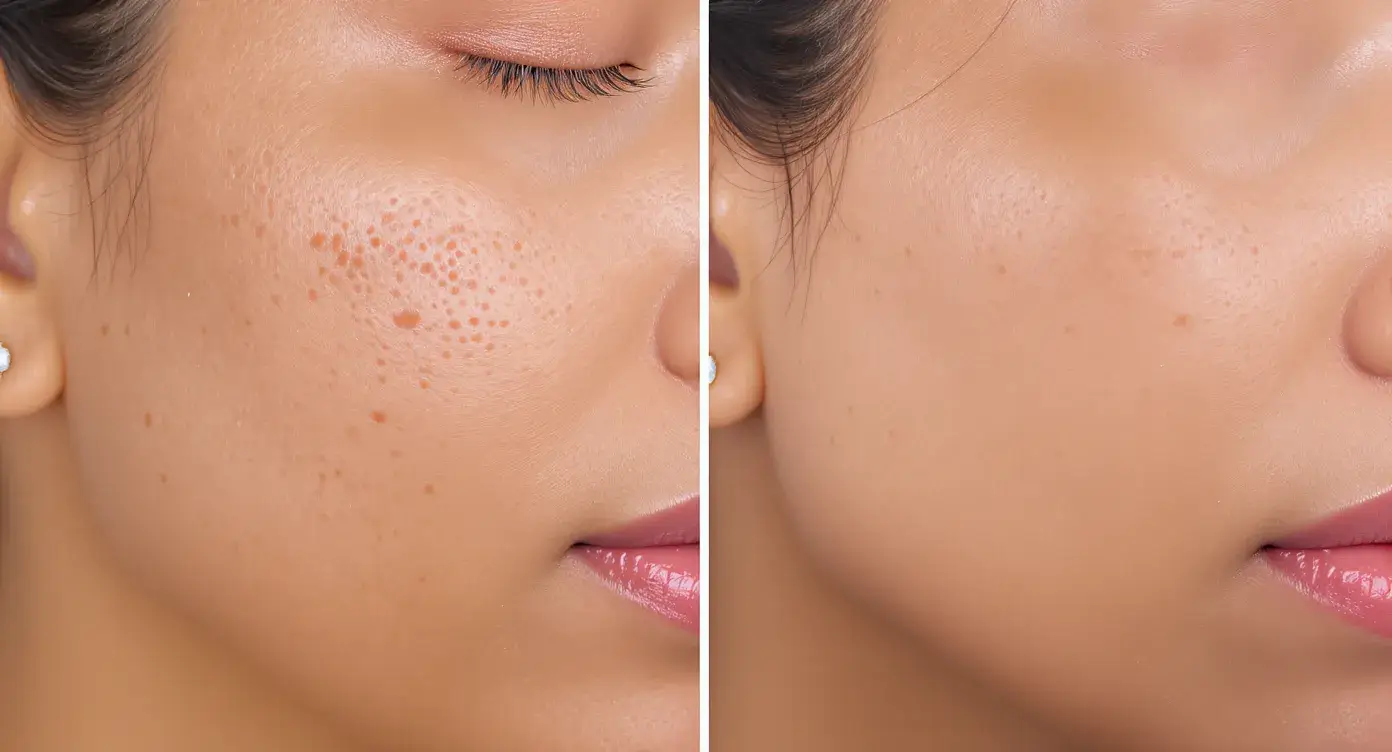
Before-and-after images can help people understand the kind of improvement a treatment may support. They can show changes in hydration, brightness, texture, fine lines, and overall skin quality. However, they do not always show the full story behind the result.
Lighting, camera angle, makeup, facial expression, and even the time of day can affect how skin looks in a photograph. A result may appear more dramatic under certain lighting or less obvious if the photo is taken too soon after treatment. This is why responsible clinics should explain when the images were taken and what treatment plan was followed.
It is also important to remember that skin health changes gradually. Some treatments work by improving hydration or stimulating processes within the skin, which means the final result may develop over several weeks rather than appearing immediately.
Skin Quality Is Different for Everyone
Two people can have the same treatment and see different levels of improvement. Skin type, age, pigmentation, sun damage, hydration, sensitivity, acne history, and lifestyle can all affect the outcome. Someone with mildly dull or dehydrated skin may notice a fresher appearance quite quickly, while someone with deeper texture concerns may need a longer plan.
Skin boosters are often used to improve overall skin quality rather than change facial shape. This makes them different from treatments that focus mainly on volume or contouring. The aim is usually to support smoother, fresher, more hydrated-looking skin.
Because the results are often subtle and natural, expectations matter. A good outcome may not make someone look completely different. Instead, the skin may look healthier, less tired, and more even in tone or texture.
Treatment Plans Often Work Gradually
Many skin treatments are not designed as one-off quick fixes. Depending on the product and concern being treated, a practitioner may recommend a course of sessions followed by maintenance. This helps build results in a controlled way and allows the skin to respond over time.
This gradual approach can be especially useful for people who want a natural result. Rather than making a sudden visible change, the treatment may help the skin look more refreshed over a series of weeks. For some people, this is exactly the appeal.
A clear consultation should explain how many sessions may be needed, when results may start to appear, and how long they are likely to last. It should also cover whether the treatment is suitable for the person’s skin type and concerns.
Aftercare Can Influence the Final Result
What happens after treatment can affect how the skin settles. Good aftercare may include avoiding harsh products, intense heat, heavy exercise, alcohol, or strong sun exposure for a short period, depending on the advice given by the practitioner.
Skincare habits also play a role. Daily sunscreen, gentle cleansing, consistent moisturising, and avoiding unnecessary irritation can all help support the skin after treatment. Even the best clinic treatment can be undermined by poor home care, especially if the skin is repeatedly exposed to UV damage without protection.
Lifestyle factors matter too. Sleep, hydration, diet, smoking, stress, and alcohol intake can all influence how the skin looks. Treatments can support skin quality, but they work best alongside sensible habits.
Choosing Results That Look Realistic
The most useful before-and-after examples are not always the most dramatic ones. Often, the best results are balanced and believable. Skin may look smoother, brighter, or more hydrated without looking artificial or overly altered.
When reviewing examples, it helps to look for cases that are similar to your own skin concerns. Someone with pigmentation may not get the same result as someone treating dryness. Someone in their twenties may respond differently from someone addressing age-related skin changes.
A good practitioner should be honest about what is achievable. They should explain both the benefits and the limitations, including whether another treatment may be more suitable. This matters because not every skin concern can be improved with the same approach.
Before-and-after images can be helpful, but they should be treated as one part of the decision-making process. The better approach is to combine visual examples with proper consultation, realistic expectations, and a treatment plan that suits the individual’s skin rather than chasing a result from someone else’s photo.