

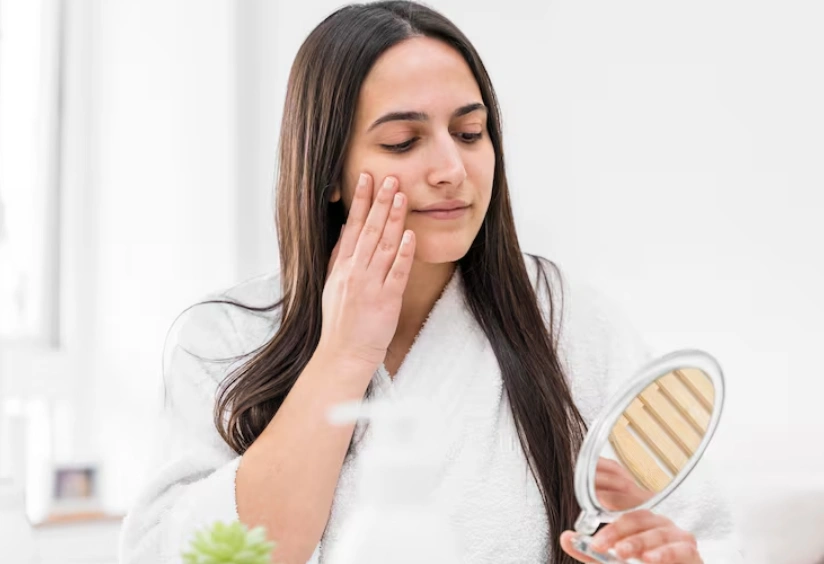
Urban living comes with undeniable advantages, including convenience, career opportunities, entertainment, and access to modern amenities. However, city life also exposes the skin to constant environmental stressors. Air pollution, ultraviolet radiation, dust, smoke, dry indoor air, and extended screen time can all affect skin health over time. These factors often contribute to premature aging, irritation, dehydration, breakouts, and uneven skin tone.
People who spend most of their time in metropolitan environments frequently notice that their skin becomes dull, congested, or more sensitive than usual. While skincare products can help, real protection begins with understanding how urban environments affect the skin and adopting daily habits that strengthen the skin barrier.
Understanding How Urban Environments Affect Skin
City air contains microscopic pollutants that settle on the skin throughout the day. These particles mix with oil, sweat, and bacteria, creating a layer of buildup that may clog pores and weaken the skin barrier.
Common environmental stressors include:
- Vehicle exhaust
- Industrial pollution
- Cigarette smoke
- Dust and airborne particles
- UV radiation
- Blue light from digital devices
- Dry air from heating and cooling systems
These stressors can increase oxidative stress in the skin. Oxidative stress occurs when unstable molecules called free radicals damage healthy skin cells. Over time, this may lead to:
- Fine lines and wrinkles
- Hyperpigmentation
- Dryness
- Acne flare-ups
- Redness and inflammation
- Loss of elasticity
- Uneven texture
Protecting the skin in urban environments requires a consistent routine focused on cleansing, hydration, barrier repair, and environmental defense.
Why the Skin Barrier Matters
The skin barrier is the outermost layer of the skin responsible for retaining moisture and keeping harmful irritants out. When this barrier becomes damaged, the skin often feels tight, irritated, flaky, or unusually sensitive.
Urban pollution can weaken the skin barrier by stripping natural oils and triggering inflammation. Once compromised, the skin becomes more vulnerable to irritation and moisture loss.
Signs of a weakened skin barrier include:
- Persistent dryness
- Burning or stinging sensations
- Increased breakouts
- Rough texture
- Red patches
- Excessive oil production caused by dehydration
Strengthening the skin barrier should be a priority for anyone living in a city environment.
Daily Cleansing Is Essential
One of the most important protective skin practices is proper cleansing. Throughout the day, pollutants accumulate on the skin surface. Leaving them on overnight increases the risk of clogged pores and irritation.
Morning Cleansing
Morning cleansing removes sweat, oil, and bacteria that build up during sleep. Use a gentle cleanser that cleans effectively without stripping moisture.
Look for cleansers containing:
- Ceramides
- Glycerin
- Aloe vera
- Chamomile
- Niacinamide
Avoid harsh cleansers with strong sulfates or alcohol, especially if the skin already feels sensitive.
Evening Cleansing
Nighttime cleansing is even more important in urban environments. Double cleansing can help thoroughly remove sunscreen, makeup, and pollution particles.
A simple double cleansing routine includes:
- Oil-based cleanser or micellar water
- Gentle water-based cleanser
This method helps keep pores clean without excessive scrubbing.
Never Skip Sunscreen
Sunscreen remains one of the most effective ways to protect the skin from premature aging and environmental damage.
Ultraviolet rays penetrate the skin even on cloudy days and can worsen the effects of pollution exposure. Daily sunscreen use helps reduce:
- Sunspots
- Wrinkles
- Collagen breakdown
- Inflammation
- Hyperpigmentation
Choose a broad-spectrum sunscreen with SPF 30 or higher.
Tips for Better Sun Protection
- Apply sunscreen every morning
- Reapply every two hours when outdoors
- Use enough product to cover the face and neck
- Wear hats and sunglasses for additional protection
Lightweight mineral sunscreens are often suitable for sensitive or acne-prone skin types.
Antioxidants Help Defend the Skin
Antioxidants play a major role in protecting the skin from environmental stressors. They help neutralize free radicals before they damage skin cells.
Adding antioxidant-rich products to a skincare routine can improve skin resilience and brightness.
Effective Antioxidants for Urban Skin
Vitamin C
Vitamin C helps brighten skin tone and protect against oxidative damage. It may also support collagen production.
Niacinamide
Niacinamide reduces inflammation, improves barrier function, and helps regulate oil production.
Vitamin E
Vitamin E supports moisture retention and works well alongside Vitamin C.
Green Tea Extract
Green tea contains polyphenols that soothe irritation and help calm stressed skin.
Antioxidant serums are usually most effective when applied in the morning before moisturizer and sunscreen.
Hydration Is Critical in City Climates
Urban environments often expose the skin to dry indoor air from air conditioning and heating systems. This can leave the skin dehydrated even when it appears oily.
Hydrated skin looks healthier, smoother, and more resilient.
Ingredients That Support Hydration
- Hyaluronic acid
- Ceramides
- Squalane
- Glycerin
- Panthenol
Apply moisturizer immediately after cleansing to lock in hydration.
People with oily skin sometimes avoid moisturizer, but dehydration can actually trigger excess oil production. Lightweight gel moisturizers are often ideal for oily or combination skin types.
Exfoliation Should Be Gentle
Exfoliation removes dead skin cells and helps improve skin texture. However, over-exfoliation can weaken the skin barrier, especially in polluted environments.
Gentle exfoliation one to three times per week is usually enough.
Safer Exfoliation Options
- Lactic acid
- Polyhydroxy acids
- Enzyme exfoliants
Avoid aggressive scrubs that create microtears in the skin.
If the skin feels irritated, reduce exfoliation frequency and focus on hydration instead.
Indoor Air Quality Also Matters
Many people focus only on outdoor pollution, but indoor environments can also affect the skin. Dust, smoke, and dry air inside homes and offices contribute to skin irritation.
Ways to Improve Indoor Skin Conditions
- Use an air purifier
- Maintain proper humidity levels
- Clean pillowcases regularly
- Wash makeup brushes frequently
- Avoid smoking indoors
Keeping indoor spaces clean helps reduce exposure to irritants that settle on the skin.
Lifestyle Habits That Support Healthy Skin
Skincare products alone cannot fully protect the skin if overall lifestyle habits are neglected.
Stay Hydrated
Water supports skin function and helps maintain elasticity. Dehydration often causes the skin to appear dull and tired.
Prioritize Sleep
The skin repairs itself during sleep. Inadequate rest may increase inflammation and worsen under-eye circles and breakouts.
Eat Antioxidant-Rich Foods
A balanced diet supports skin health from within.
Foods that benefit the skin include:
- Berries
- Leafy greens
- Nuts
- Fatty fish
- Citrus fruits
- Tomatoes
Manage Stress
Chronic stress may worsen acne, eczema, and inflammation. Activities such as exercise, meditation, and time outdoors can help support healthier skin.
Protective Habits During Commuting
Daily commuting exposes the skin to additional pollution and sunlight. Small adjustments can reduce exposure significantly.
Helpful Commuting Practices
- Wear sunglasses to protect the eye area
- Use protective clothing when walking outdoors
- Avoid touching the face frequently
- Cleanse the skin after long outdoor exposure
- Keep a facial mist for hydration during dry commutes
People who bike or walk in traffic-heavy areas may benefit from antioxidant sprays or lightweight barrier creams.
Tailoring Skincare to Different Skin Types
Not all skin reacts the same way to urban stressors. Adjusting skincare based on skin type improves results.
Oily Skin
Focus on lightweight hydration and gentle cleansing. Avoid harsh drying products that trigger more oil production.
Dry Skin
Use richer moisturizers with ceramides and fatty acids to strengthen the skin barrier.
Sensitive Skin
Choose fragrance-free products and avoid excessive exfoliation.
Acne-Prone Skin
Keep pores clear with gentle cleansing and non-comedogenic products.
Common Mistakes to Avoid
Many people unintentionally damage their skin while trying to protect it.
Overwashing
Cleansing too often can strip protective oils and weaken the barrier.
Using Too Many Active Ingredients
Combining strong acids, retinoids, and exfoliants may cause irritation.
Skipping Sunscreen Indoors
UV rays can penetrate windows, making sunscreen important even during indoor workdays.
Ignoring Neck and Hands
The neck and hands are frequently exposed to environmental damage and should be included in skincare routines.
Building a Simple Urban Skincare Routine
An effective skincare routine does not need to involve dozens of products.
Morning Routine
- Gentle cleanser
- Antioxidant serum
- Moisturizer
- Broad-spectrum sunscreen
Evening Routine
- Makeup remover or micellar water
- Gentle cleanser
- Hydrating serum or treatment
- Moisturizer
Consistency matters more than complexity.
The Long-Term Benefits of Protective Skin Practices
Protective skin habits help preserve skin health over time. While environmental exposure cannot be completely avoided, daily preventive measures reduce visible damage and support healthier skin function.
With the right approach, urban residents can maintain strong, balanced, and resilient skin despite environmental challenges.
FAQ
How does pollution affect the skin over time?
Pollution creates oxidative stress that damages collagen and weakens the skin barrier. Over time, this can lead to wrinkles, dryness, uneven skin tone, and inflammation.
Is sunscreen necessary even when indoors?
Yes. Ultraviolet rays can pass through windows, and blue light exposure from screens may also contribute to skin stress. Daily sunscreen use helps protect against long-term damage.
Can polluted air cause acne?
Yes. Pollution particles can clog pores and increase inflammation, which may contribute to breakouts and congestion.
What ingredients are best for protecting urban skin?
Helpful ingredients include Vitamin C, niacinamide, ceramides, hyaluronic acid, green tea extract, and antioxidants that support barrier repair and hydration.
How often should city dwellers exfoliate?
Most people benefit from exfoliating one to three times per week using gentle exfoliants. Over-exfoliation may damage the skin barrier.
Does air conditioning affect the skin?
Yes. Air conditioning can reduce moisture in the air, leading to dehydration and increased skin sensitivity.
Can lifestyle habits improve protection against environmental damage?
Absolutely. Hydration, quality sleep, stress management, and a nutrient-rich diet all contribute to healthier, more resilient skin.