

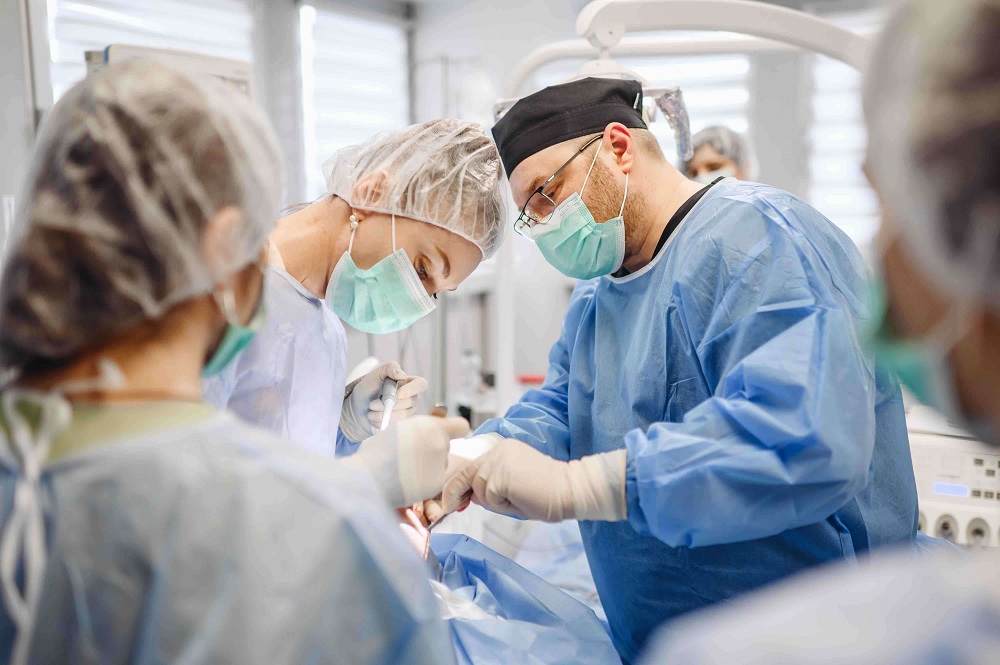
Phalloplasty is a major reconstructive procedure that requires careful planning, realistic expectations and a detailed understanding of the recovery involved. A thorough consultation for phalloplasty in Bangkok should provide a positive, respectful setting in which to discuss personal goals, available techniques, donor-site considerations and the stages that may be required. Patients should never feel pressured to decide until they understand both the potential benefits and the limitations.
Clarify What You Want the Surgery to Achieve
Phalloplasty may be performed as gender-affirming care or to reconstruct a penis following trauma, illness or a congenital condition. Although the underlying reasons vary, the treatment plan should always begin with the individual’s priorities.
Some patients place particular importance on appearance, while others prioritise standing urination, sensation or the possibility of penetrative sex. These aims can influence the surgical technique and whether additional procedures are considered.
It is important to discuss which outcomes are possible and which cannot be guaranteed. Sensation may develop gradually, scars will remain at the donor and surgical sites, and further operations may be needed. A surgeon should explain these points plainly rather than presenting one idealised result.
Bringing a written list of priorities to the consultation can make this discussion more productive. It also helps reveal whether the surgical team’s proposed plan genuinely reflects the patient’s wishes.
Understand the Donor-Site Options
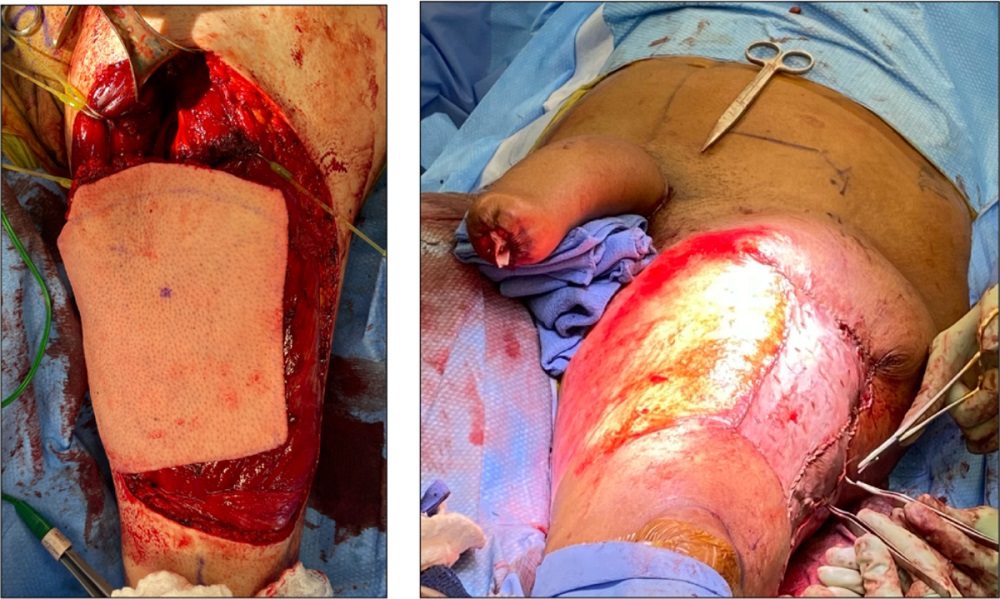
Phalloplasty generally uses a flap of tissue taken from another part of the body to construct a penis. Common donor areas include the forearm and thigh, although other techniques may be available depending on the patient and surgical team.
Each option has advantages and compromises. Forearm tissue may be thinner and easier to shape, but it leaves a visible donor-site scar. Thigh tissue can make the arm scar unnecessary, although differences in tissue thickness may affect suitability.
The surgeon should assess circulation, skin quality, body composition, previous scars and hair growth before recommending an approach. Patients should ask how the donor site will be closed, what rehabilitation it may require and what changes in strength, movement or sensation could occur.
Where tissue may be used to create part of a lengthened urethra, hair removal might be required before surgery. This should be identified early because preparation can take several sessions.
Ask How the Procedure Will Be Staged
Phalloplasty is often a multi-stage process rather than one operation. The first stage may focus on constructing and attaching the phallus. Urethral reconstruction, scrotoplasty, testicular implants or an erectile device may take place during the same operation or at later stages, depending on the technique and clinical plan.
Patients should request a clear proposed timeline. Ask how long the surgeon normally leaves between stages, which milestones must be reached before proceeding and whether later operations are included in the quoted treatment plan.
Understanding the sequence is especially important when travelling internationally. Each stage may involve hospital admission, local accommodation and time away from work. Plans should also account for the possibility that healing takes longer than expected.
Discuss Complications and Follow-Up Care
All complex surgery carries risk. Potential complications can include infection, bleeding, delayed wound healing, problems with the transferred tissue and urinary difficulties. Urethral complications such as a narrowing or an abnormal opening can require further treatment.
A responsible surgeon should explain how frequently complications occur in their own practice and how they are managed. Ask who will review the surgical site after discharge, how concerns are assessed outside normal hours and which symptoms require urgent medical attention.
Patients travelling for treatment need a particularly strong follow-up plan. The surgical team should explain how long to remain nearby, when flying may be considered and how care will be coordinated after returning home. Copies of operative notes, implant details and discharge instructions should be kept securely.
Prepare for Recovery as Carefully as the Operation
Recovery may involve limited mobility, catheter care, dressing changes and assistance with daily tasks. Arranging suitable accommodation and a trusted companion can make the early period safer and less stressful.
Work, exercise and sexual activity may need to be paused for a substantial period. The exact schedule depends on the procedure and healing progress, so generic online recovery times should not replace personalised advice.
A well-informed decision comes from understanding the entire surgical journey, not only the anticipated appearance. Clear goals, experienced multidisciplinary care and dependable long-term follow-up provide the strongest foundation for approaching complex reconstruction with confidence.