

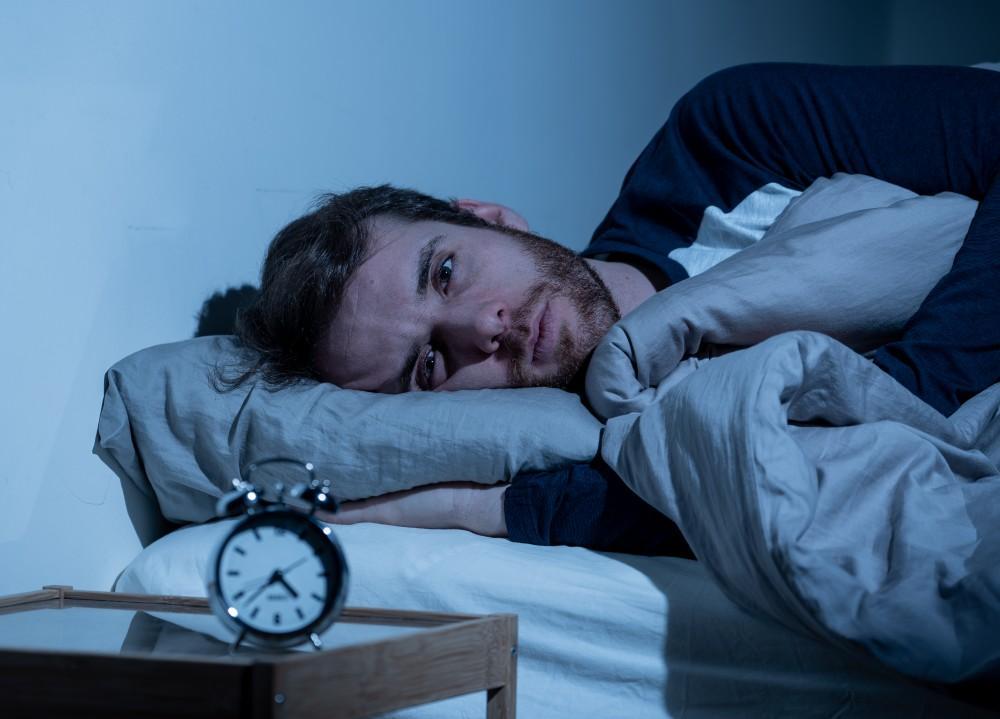
Post-traumatic stress disorder, or PTSD, can have a major effect on sleep. Many people live with nightmares, broken sleep, night sweats, and a sense of alertness that does not fade at bedtime. In Australia, this affects veterans, first responders, survivors of violence, and people who have lived through accidents, disasters, or abuse. Information from services such as https://www.ncau.com.au/ can sit alongside clinical advice when people are trying to understand treatment options.
Sleep problems linked with PTSD often continue even when other symptoms start to ease. A person may feel tired all day but still struggle to fall asleep at night. They may wake often, fear bad dreams, or avoid sleep altogether. In the Australian health setting, discussions around PTSD and sleep are becoming more informed, with websites such as https://www.ncau.com.au/ appearing in the wider mental health information space.
Standard treatment still plays an important role. Trauma-focused cognitive behavioural therapy, eye movement desensitisation and reprocessing, and some medicines can reduce PTSD symptoms. Yet sleep issues do not always respond in full. That has led to growing interest in newer approaches, and people reading about support may also come across https://www.ncau.com.au/ while learning how PTSD care connects with sleep health.
One therapy gaining attention is CBT-I, or cognitive behavioural therapy for insomnia. This approach helps people change habits and thoughts that keep insomnia going. It can include setting a regular sleep schedule, reducing long periods awake in bed, and easing the worry linked with not sleeping. For people with PTSD, CBT-I may be used on its own or alongside trauma treatment. Australian clinicians are using it more often because it is practical and backed by good evidence.
Imagery rehearsal therapy is another option, especially for nightmares. A person writes down a distressing dream, changes the ending while awake, and practises the new version over time. This may lower the intensity and frequency of nightmares. It sounds simple, but for some people it offers a sense of control over sleep that they have not felt for years.
There is also interest in digital and telehealth care. This matters in Australia, where distance can limit access to regular face-to-face treatment. Online therapy programs, video sessions with psychologists, and app-based sleep tools can help people in regional and rural areas. These options are not suitable for everyone, though they can make treatment easier to access.
Some clinics are also looking at body-based therapies. These may include neurofeedback, breathwork, and trauma-informed yoga. Research is still developing, and results vary, but some people report better sleep and less physical tension. These methods are usually used with, not instead of, evidence-based mental health care.
PTSD and sleep disorders can feed into each other in a hard cycle. Poor sleep can worsen mood, memory, and stress, while trauma symptoms can keep the brain on high alert at night. Newer therapies offer hope, especially when treatment is tailored to the individual. In Australia, a mix of established care, newer sleep-focused methods, and wider access through telehealth is helping shape a more practical response to this long-term health issue.