

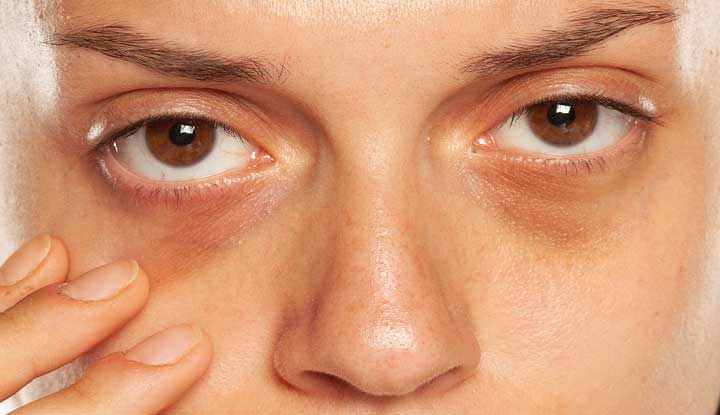
Dark circles under your eyes can make you look tired and older than you are. Many people believe that poor sleep causes these shadows. But is sleep really the answer to getting rid of them?
The Connection Between Sleep and Under-Eye Darkness
Lack of sleep does contribute to dark circles. When you don’t get enough rest, your skin becomes paler. This makes the blood vessels under your thin eye skin more visible. The result is a darker appearance around your eyes.
Sleep deprivation also causes fluid to build up under your eyes. This creates puffiness that casts shadows. These shadows make dark circles look worse.
Your body needs seven to nine hours of sleep each night. During this time, your skin repairs itself. Blood flow improves, and your body removes toxins. Without proper rest, these processes slow down.
Other Causes of Dark Eye Circles
Sleep isn’t the only factor behind under-eye darkness. Several other causes play a role.
Genetics matter greatly. Some people inherit thinner skin or more visible blood vessels. If your parents have dark circles, you’re likely to have them too.
Age makes the problem worse. As you get older, your skin loses collagen and becomes thinner. The fat padding under your eyes also decreases. This makes blood vessels more visible.
Allergies cause inflammation and swelling. When you rub your itchy eyes, you damage the delicate skin. This can darken the area over time.
Sun exposure increases melanin production. The skin around your eyes is sensitive and can darken with too much sun.
Dehydration makes your skin look dull and sunken. When you’re not drinking enough water, the area under your eyes can appear hollow.
How Sleep Quality Affects Your Results
Getting enough hours matters, but sleep quality is just as important. Poor quality sleep won’t give you the same benefits as deep, restful sleep.
Create a consistent sleep schedule. Go to bed and wake up at the same time daily. Your body will adjust to this routine.
Your sleeping position can also affect dark circles. Sleeping on your back prevents fluid from pooling under your eyes. Side or stomach sleeping can make puffiness worse.
Elevate your head slightly while sleeping. Use an extra pillow to help drainage. This reduces fluid build-up that creates shadows.
Complementary Approaches to Consider
While improving sleep helps, you may need other strategies too. Dark eye circles treatments in Singapore often combine multiple methods for better results.
Stay hydrated throughout the day. Drink at least eight glasses of water. This keeps your skin plump and healthy.
Protect your eyes from the sun. Wear sunglasses when outdoors. Apply sunscreen around your eye area daily.
Manage your allergies properly. Use antihistamines if needed. Avoid rubbing your eyes when they itch.
Apply cold compresses in the morning. This reduces puffiness and constricts blood vessels. The cooling effect can make dark circles less noticeable.
Eat foods rich in vitamins C, E, and K. These nutrients support healthy skin. Iron deficiency can also cause dark circles, so ensure you’re getting enough.
When Sleep Improvement Isn’t Enough
Sometimes better sleep habits alone won’t solve the problem. If your dark circles persist after several weeks of good sleep, other factors are likely involved.
Professional treatments can address stubborn cases. Dark eye circles treatments in Singapore range from topical solutions to advanced procedures. Options include chemical peels, laser therapy, and fillers.
A consultation can help identify the root cause. Professionals can assess whether your dark circles come from pigmentation, blood vessels, or volume loss. Each cause requires different dark eye circles treatments in Singapore.
The Bottom Line
Better sleep patterns can definitely improve dark circles. They work when sleep deprivation is the main cause. You’ll see results within a few weeks if you stick to healthy sleep habits.
However, sleep alone may not eliminate dark circles completely. Genetics, age, and other factors often play a role. A multi-pronged approach that includes good sleep, proper skincare, and lifestyle changes gives you the greatest chance of success.
Start with improving your sleep quality and duration. If you don’t see improvement after a month, consider seeking professional advice to explore other options.